Did you pause when you read the title of this blog to consider what you were thinking, feeling, and sensing? Did an image, belief or memory pop up?
Over the last few months we have been exploring the subject of noticing, reminding ourselves to pause and notice what was happening in our minds and bodies, as a way to enhance our awarenesses of ourselves and to gain perspectives and clarity about any decisions we were making. I have gained greater confidence in my decisions because of the power associated with noticing.
I decided to divide this information into two blogs because there are so many facts that I think can impress us all with regard to how amazing our brains are and how our noticing can actually enhance the many ways our brains function. There are a lot of facts in this blog that I hope you will find interesting – and it’s okay if you can’t totally wrap your mind around all of them.
The rest of this blog will be devoted to looking at research around thoughts, feelings, sensations, and memories. You may decide to enlarge this list to other things you want to focus on noticing. Notice what happens in your inner world as you read this information.
With regard to thoughts: here are some fun facts about thoughts we have every day. Some researchers say that people have about 50 thoughts every minute. Some research says we have 6000 thoughts per day and others that say the number is 70,000. This second number comes from the Cleveland Clinic, entitled You Are Your Brain.
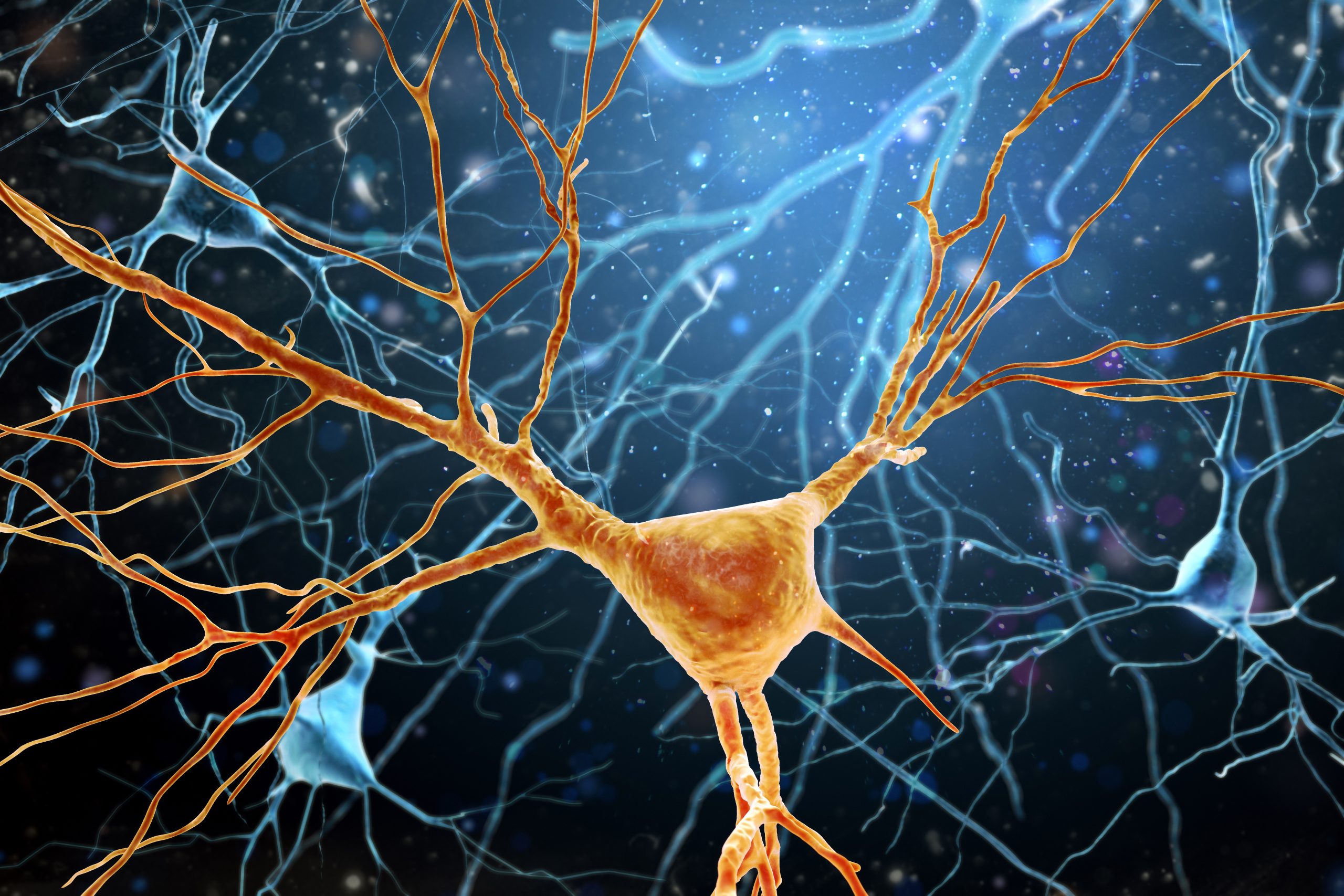
They go on to say, “Your brain is a three-pound universe that processes 70,000 thoughts each day using 100 billion neurons that connect at more than 500 trillion points through synapses that travel 300 miles/hour. The signals that travel through these interconnected neurons form the basis of memories, thoughts and feelings.” Those facts alone give us a window on just how amazing our brain is!
They also state: “While we have all those thoughts, we say about 1600 words a day. Over 60,000 thoughts a day and only 1600 words being expressed! The bottom line: we have more thoughts than we can usually put into words.”
Next I invite you to consider the differences between sensations and feelings using the following article. Notice the different directions in the body each travel.
“A sensation is a message sent from your body to your brain to let it know what’s going on out there in the periphery. It’s how the brain can check in on what’s happening with your body. Examples of sensations are physical hunger, physical thirst, physical pain, hot, and cold. These all start in our bodies and then move up to the brain.”
Feelings:
“Feelings (or emotions) are messages that start in our brains and move down to our bodies. I’ll give you my favorite example of this: Let’s say you found yourself in a big convention center. Suddenly, someone rushes up to you to tell you that in 3 minutes, you need to be up on stage. You figure out that you are being called on to stand up in front of 5,000 people to give a speech on a topic you know nothing about. For a lot of us, we would immediately have a few thoughts about this. They might be something like, “What am I going to say?!?” or “How come I didn’t know anything about this?!?” or “They’ll think I’m an idiot and I’ll be so embarrassed!”
When we have those thoughts, a chemical cascade begins in the brain that moves down to the body…. Once this cascade reaches the body, a number of physical responses may occur….. The word we use to describe this grouping of physical responses is: NERVOUS. The take-home point here is that the feeling of nervous is a result of our thoughts about having to give the last-minute speech, not the actual last minute speech.” In her article she continues this example to describe experiencing the sensation of relief.
An important takeaway: Emotions and sensations are not the same thing. Armed with this information you are better equipped to notice both your emotions and sensations visualizing what is going on in your brain.
Let’s now consider the nature of memories, which can jump into our minds when we engage in the process of noticing. According to the website Iris. “Scientists estimate that the average adult human brain can store 2.5 million petabytes of information. Also, according to the website LifeWire Tech for Humans, storing a single petabyte would take over 1.5 million CD-ROM discs. Researchers have calculated this number based on the connections formed by different neurons. These connections are called synapses. Our brain cells are called neurons. And there are over 100 billion neurons that form our nervous system.
Each neuron can form thousands of connections. This drives short-term memory and long-term memory. A single byte contains 8 bits of information. And the human brain can store up to 2.5 quadrillion bytes over the course of life. It is equivalent to a million gigabytes. This is the information that we store in a lifetime. So, it accumulates as we gain new experiences.”
Noticing your thoughts, feelings, sensations, images, beliefs and memories is a bit like practicing meditation or mindfulness, however these typically require more time than taking a few seconds to notice what’s happening within you in a particular moment. Having the list of what you can notice can be very focusing.
Invitation for Reflection
- What in the information on thoughts, feelings, sensations and memory did you find interesting? Did they evoke any thought, feelings, sensations, images, beliefs or memories?
- Where in your life do you think you might apply this information? How would that be helpful to you?