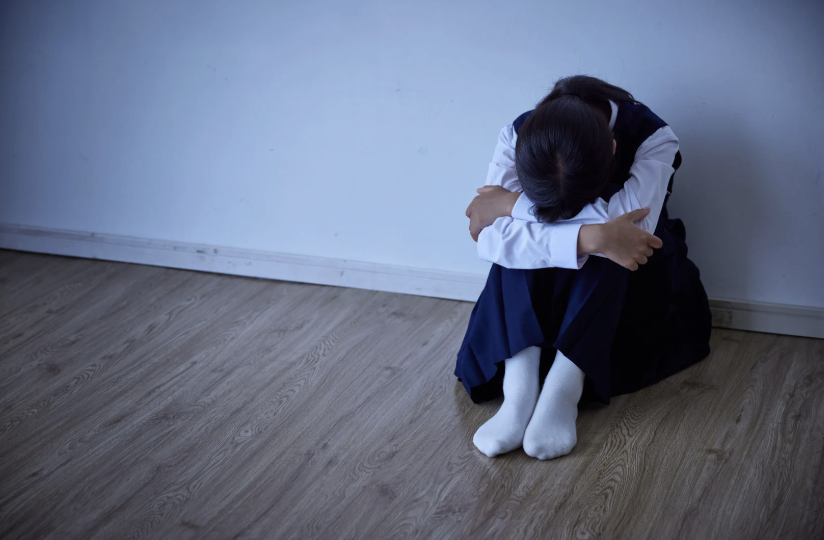
Recently a family friend shared with me that his adolescent son told him he was feeling very depressed. Fortunately, he is getting help from his school system and everyone around him is assuring him that he is very loved.
The Gessell Institute, which for several decades has examined patterns of development in children from birth through age 17, offers one interesting fact that can provide some information on why children in early adolescence can experience depression. After following several hundred children, they discovered predictable patterns of children moving from being in equilibrium, meaning balanced, to being in disequilibrium, meaning emotionally off balance. Children also move from being inwardized, meaning self-focused, to being outwardized, meaning interested in the world around them.
It turns out that when kids are approximately seven, 13 and 17 (I say approximately because some are in a particular stage as much as six months earlier or later), they are in an inwardized state and in disequilibrium. This is a formula for depression.
Personally, I saw these switches in my own children and was very grateful for the information. When they were in equilibrium I couldn’t take credit for their behaviors and when they were in disequilibrium, I knew it wasn’t my fault or theirs. When they seemed depressed I knew it could be a natural response to the shifts in their development. (And of course situational factors could contribute to depression.)
Information from a 2024 article on the website Very Well Mind entitled, What to Know About Childhood Depression: Childhood Depression Does Not Look the Same as Adult Depression by Nancy Schimelpfening might provide some insights. “Although most people think of depression as an adult illness, children and adolescents can develop depression as well. Unfortunately, many children with depression go untreated because adults don’t recognize they’re depressed.
It’s important for parents, teachers, and other adults to learn about childhood depression. When you understand the symptoms of depression in children and the reasons children develop it, you can intervene in a helpful manner.
How Children Experience Depression
According to the American Academy of Child and Adolescent Psychiatry, common signs of depression in children and teens last longer than two weeks and may manifest similar symptoms to adults, such as changes in appetite or weight, feeling or appearing depressed, sad, tearful, or irritable, fatigue or perceived lack of energy, feeling guilty or ashamed, having more trouble concentrating, loss of interest or pleasure in previously enjoyed activities, sleep disturbance: Insomnia or hypersomnia nearly every day, thoughts of suicide and/or death.
Depression in children and teens usually presents differently than it does in adults. Young children often find it difficult to explain their feelings and may regress to earlier behaviors such as thumb-sucking or bed-wetting. They may have more nightmares and difficulty sleeping.
Irritability and/or anger are more common signs of depression in older children and teens. They may not want to spend time with their friends or participate in their usual activities. They may complain of stomach aches, headaches, and not feeling well to avoid going to school. Teens may attempt to hide their emotional pain, fearing judgment from others.
In addition to the above symptoms, some children will begin to have poor school performance, troubled peer relationships, and possibly substance abuse.
Because normal behaviors vary as children develop, it can be challenging to know if your child is going through a phase or if it’s something more serious. The first step towards helping your child battle depression is learning how to spot it.
There are a number of different factors that can contribute to childhood depression, including family history and brain chemistry – imbalances in certain neurotransmitters and hormones may play a role in how the brain works, which can affect moods and emotions and increase the risk of experiencing depression. Early puberty and hormone changes can also be a trigger for the onset of depressive symptoms.
- Environmental factors: A stressful, chaotic, or unstable home environment can also make children more likely to experience depression. Rejection and bullying at school may also be contributing factors.
- Stress or trauma: Sudden changes such as moving, divorce, or traumatic events such as abuse, natural disasters, and war can also contribute to feelings of depression.
- Self-concept issues: Not having enough exposure to activities that help them develop their personalities, talents, and skills may contribute to low self-esteem, poor self-efficacy, and thwarted social identity development.
Anyone can develop depression, and it isn’t a sign of weakness. It also isn’t your fault if your child is depressed. However, there may be some things you can do to help.
Depression Treatment
If your child is diagnosed with mild depression, their doctor will actively monitor their symptoms before recommending any form of treatment. If their symptoms persist after 6 to 8 weeks of support, they will be referred for psychotherapy. If your child is initially diagnosed with moderate to severe depression, their doctor will likely skip this step and start treatment immediately.
Psychotherapy, medications, or a combination of the two have been shown to help young people with depression. The kind of treatment recommended for your child will depend on the nature and severity of their depression.
Psychotherapy
If your child is diagnosed with mild depression, the APA recommends psychotherapy as a first-line treatment. For adolescents with moderate to severe depression, research has shown that a combination of psychotherapy and medication works best.”
Also recommended: cognitive behavioral therapy (CBT), play therapy, family therapy, and trauma-focused therapy.
Parents and caregivers can ask guidance counselors at their child’s school, or for younger children can consult with their child’s early childhood educators. Family doctors and nurse practitioners are another resource. And there is an abundance of information online, just be a critical thinker and careful consumer.
I think it is important for all parents and caregivers to be aware of this information. Children need to know that adults are there for them if they experience depression.
Invitation for Reflection
- If you are a parent or caregiver, have you observed a child who had symptoms of depression? How did these symptoms manifest in that child’s behaviors? How did you respond? How successful was your response?
- Do you recall experiencing depression as a child or young adult? How did those around you respond? Was it helpful?
- What else do you wish you knew about depression? How could you gain this information?
Diane Wagenhals
Director Emeritus, Lakeside Global Institute