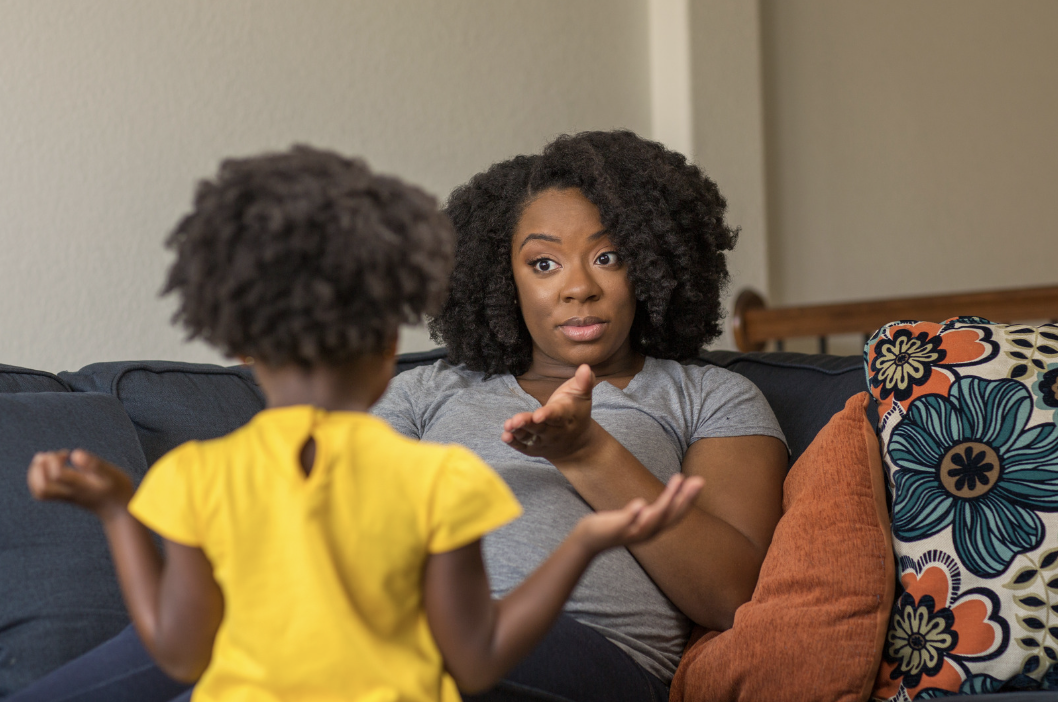
Many years ago, I discovered a book called The Family Virtues Guide by Linda Kavelin Popov that gave me a whole new insight on how to discipline my children using virtues rather than rules. The author states that using virtues as your disciplinary guide helps children develop character and learn how to make responsible, moral choices.
In the introduction, the author says that using virtues when disciplining children helps parents and other caregivers promote the moral character of their children. This approach contains “a language which can heal the hurts of one’s upbringing, because it supports parents in meeting the struggles of their own spiritual journeys with both detachment and tenderness. It is a way to replace the internal critic with a gentle, vigilant observer. Many find that as they use this simple tool to parent their children, at the same time they are reparenting themselves.” [p. xvi]
According to the website Men’s Group,“A virtue can be defined as a good quality that you can adopt as part of your character to become the kind of man [or woman] you have always wanted to be. It is a tendency to act right and do right by others. Virtue is more enduring than a behavior; instead of doing the right thing once or following a rule, being virtuous means that you become a kind person and one that follows the rules. Every virtue has the potential of being a superpower. It can enable you to experience life in a magnificent way.”
There are many virtues recommended on various websites. Here are some (as you read them, notice the ones that are important to you and that you want your children and other family members to embrace. Add any that are missing for you): trust, thoughtfulness, kindness, grace, prayerfulness, consideration, courage, compassion, empathy, tranquility, humility, wisdom, orderliness, generosity, justice, self-control, assertiveness, integrity, helpfulness, modesty, peacefulness, beneficence, forgiveness, purposefulness, responsibility, cleanliness, respect, tolerance, trustworthiness, perseverance, good judgment, honor, gratitude, obedience, honesty, self-discipline, loyalty, patriotism.
The author of The Family Virtues Guide recommends that parents and other caregivers move from shaming to naming. She notes that in many families or caregiving settings there is a practice of disciplining that includes shaming children by name-calling, with labels like stupid, lazy, pigheaded, slow and other terms that can deeply wound a child’s self-esteem. “Poor self-esteem develops receiving little or no feedback, being repeatedly criticized, receiving physical or mental abuse, feeling invisible, or feeling unloved.” [p. 13]
Think about times when you were a child and made a mistake, how your parents or other caregivers responded. I’m guessing many of them were critical, using words that blamed or shamed you. Most of us know that children make many mistakes because they lack judgment, are impulsive, and egocentric, which does not mean they are selfish as much as it means they are highly focused on themselves, often blaming themselves if something goes wrong. Because of these three characteristics of young children, we say they “LIE.”
We know that children are very vulnerable when it comes to the messages they receive from the adults in their lives and especially in moments involving disciplining (these moments tend to be emotional ones, evoking many feelings on the part of the child and with the adult who is disciplining them). When adults explain the concept of expectations and rules that are based on virtues embraced by the family, they can learn how to live up to those virtues (of course, children need to be taught about the concept of virtues and then the specific ones embraced by their family).
It is important to explain to children how someone shows they embrace a virtue, what a person says and does. Invite them to tell you how a favorite TV character or a superhero or virtuous character in a book they like demonstrates a virtue like kindness or forgiveness. Another example: you can explain that when you vote you are demonstrating that you value the virtue of patriotism.
When a child does something unfair, inconsiderate or hurtful, Popov suggests you “call the child” to the virtue they violated. “Remember, in our family (or classroom) we practice compassion. What can you do now to show compassion to your brother (or classmate)?”
Learning to use this approach in parenting and caregiving, and then teaching children about using virtues instead of rules, takes some time and effort. It can help children grow in their abilities to live their lives by applying virtues to guide their behaviors. Imagine a world where our children grow in their abilities to apply virtues to guide them in their interactions with others!
Invitation for Reflection
- Notice your reactions to learning about using virtues to guide children rather than depending on rules. What thoughts, feelings, sensations, and beliefs come up for you?
- Imagine what it would have been like if your parents and other caregivers taught you about virtues and then had you apply them in learning how to interact with others. How do you think that would’ve impacted you then? How would it impact you today?
- What are some ways you can incorporate this information into your parenting or ways that you interact with the children in your life?
Diane Wagenhals
Director Emeritus, Lakeside Global Institute