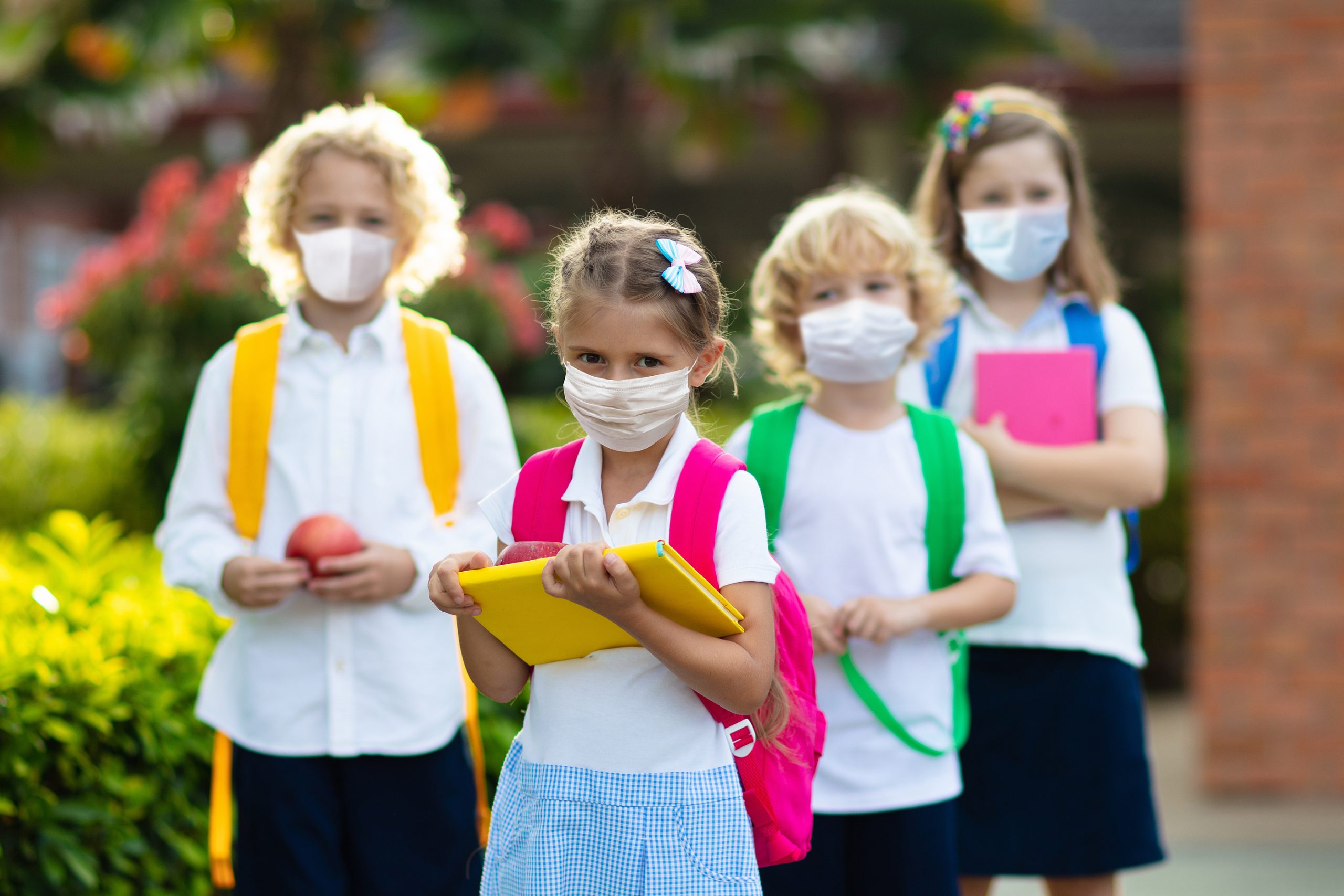
While we no longer are in the throes of the Covid pandemic that began in the US in January 2020 and lasted until May 2023, there is much we all need to appreciate as far as the continuation of the highly destructive impact this pandemic has had on all of us, especially children. According to the World Health Organization (WHO) COVID-19, short for the coronavirus disease 2019, has spread to almost every country and territory around the world, infecting millions of people and severely impacting the global economy. As of May 2, 2023, the number of COVID-19 cases worldwide had reached over 687 million. In addition, the number of deaths from COVID-19 was over 6.86 million. The United States is the country with the highest number of confirmed cases and deaths.
As we all know, the pandemic devastated families, communities and the whole world. Because of all the deaths, almost everyone lost a family member, a friend, or someone in their circle of significant relationships.
The aftermath of distressing physical, developmental and mental health issues is important to recognize in children, in us and in all those who care for children. After all, the overwhelming stress and grief we all experienced during the pandemic fits the definition of being traumatized.
Dr. Bessel van der Kolk, one of the leading experts in the field of trauma, states that: “ Trauma results from inescapably stressful events that overwhelm people’s existing coping mechanisms. It leaves individuals stuck in a state of helplessness and terror, altering how they perceive danger. Certainly the impact of the pandemic qualifies as universally traumatizing!
What can we as adults – parents, family members, early childhood professionals (ECPs) do to care for all the young children traumatized by the pandemic who continue to suffer long term effects?
It has been an honor to support my friend and colleague Suzanne O’Connor, who is the Director of Lakeside’s Trauma-Informed Early Childhood Education programs, as she continues to design a comprehensive curriculum to guide ECP’s though an interactive training program.
One of her goals has been to examine current research on the impact the pandemic continues to have on children. This awareness and understanding of the behaviors associated with the aftermath of the pandemic can greatly influence the attitudes, beliefs and behaviors of ECP’s which in turn can greatly impact children’s mental health and their abilities to regain what they lost as a result of the pandemic.
Some important research:
“Results of this cohort study suggest a significant worsening in kindergarten readiness during the COVID-19 pandemic compared with years before the pandemic. Further, lower KRA performance was significantly associated with failing developmental screening at approximately 1.5 years. The study is among the first, to our knowledge, to document the association of the COVID-19 pandemic with kindergarten readiness and among the largest studies to link primary care data to public school outcomes.”
More research: According to an article from PubMed, The National Library of Medicine: “Restrictions imposed by national governments during SARS-CoV-2-pandemic have impacted the mental health of children around the world. Studies have already proven the importance of secure attachment acting as a protective factor in child development. Therefore, children with secure attachment have a higher chance of developing and using appropriate coping mechanisms.” The article goes on to stress the connection between whether or not children experienced healthy, secure attachment with their parents and how such healthy attachments were associated with young children’s higher emotional health. Of course, the opposite was true: young children with insecure attachment experiences showed “a higher rate of emotional problems … as well as an increase of these problems during the pandemic.”
There is other research that points to how the stress of the pandemic contributed to parents and caregivers being less able to parent in healthy ways, increases in domestic violence, in children being parked in front of screens for hours every day, which has been shown to negatively impact brain growth.
Some of the recommendations from the PubMed publication:
- Prioritize the continuity of child-centered services, with a particular focus on equity of access – particularly in relation to schooling, nutrition programs, immunization and other maternal and newborn care, and community-based child protection programs.
- Provide practical support to parents and caregivers, including how to talk about the pandemic with children, how to manage their own mental health and the mental health of their children, and tools to help support their children’s learning.
We also need to educate parents, caregivers and ECPs with regard to the importance of nurturing secure attachments to help mitigate some of the emotional health struggles young children may experience as a result of the pandemic. Parents, caregivers and ECPs not only need this information, they also need to learn the specific skills of nurturing and empowering, skills like actively listening and healthy affirming. At the same time, they too need to be nurtured and empowered and given opportunities to experience others actively listening to them and providing healthy affirmations.
There is some good news about how children can recover and heal from the many ways the pandemic has wounded them. Dr. Bruce Perry, another preeminent expert on trauma, says that children are not as much resilient as they are adaptable.
Some powerful quotes from Dr. Perry: “What I’ve learned from talking to so many victims of traumatic events, abuse, or neglect is that after absorbing these painful experiences, the child begins to ache. A deep longing to feel needed, validated, and valued begins to take hold. As these children grow, they lack the ability to set a standard for what they deserve. And if that lack is not addressed, what often follows is a complicated, frustrating pattern of self-sabotage, violence, promiscuity, or addiction.”
― Bruce D. Perry, What Happened to You?: Conversations on Trauma, Resilience, and Healing
“The core lessons these children have taught me are relevant for us all. Because in order to understand trauma we need to understand memory. In order to appreciate how children heal we need to understand how they learn to love, how they cope with challenge, how stress affects them. And by recognizing the destructive impact that violence and threat can have on the capacity to love and work, we can come to better understand ourselves and to nurture the people in our lives, especially the children.”
― Bruce D. Perry, The Boy Who Was Raised As a Dog: And Other Stories from a Child Psychiatrist’s Notebook
“The more healthy relationships a child has, the more likely he will be to recover from trauma and thrive. Relationships are the agents of change and the most powerful therapy is human love.”
― Bruce D. Perry, The Boy Who Was Raised as a Dog: And Other Stories from a Child Psychiatrist’s Notebook
This brings me back to what Suzanne O’Connor is working on in her development of a comprehensive, interactive training program for ECP’s. This is one of the ways society can actively address the pandemic impact and how it continues to affect our youngest citizens. I hope you will share this information with those around you to encourage them to join a much-needed crusade to nurture all the many children who continue to suffer from the aftermath of the pandemic. By knowing some of the problems associated with children living through the pandemic, we can become intentional and creative in addressing them.
Invitation for Reflection
- What thoughts, feelings, sensations, images, and memories popped up for you as you read this blog?
- What are some of your overall conclusions with regard to the impact the pandemic had and continues to have on you? On those you love? On those for whom you have responsibilities?
- How prepared do you feel you are to address the impact the pandemic continues to have on all of us, especially on children? What do you need to help you in this process?
Diane Wagenhals, Director Emeritus, Lakeside Global Institute