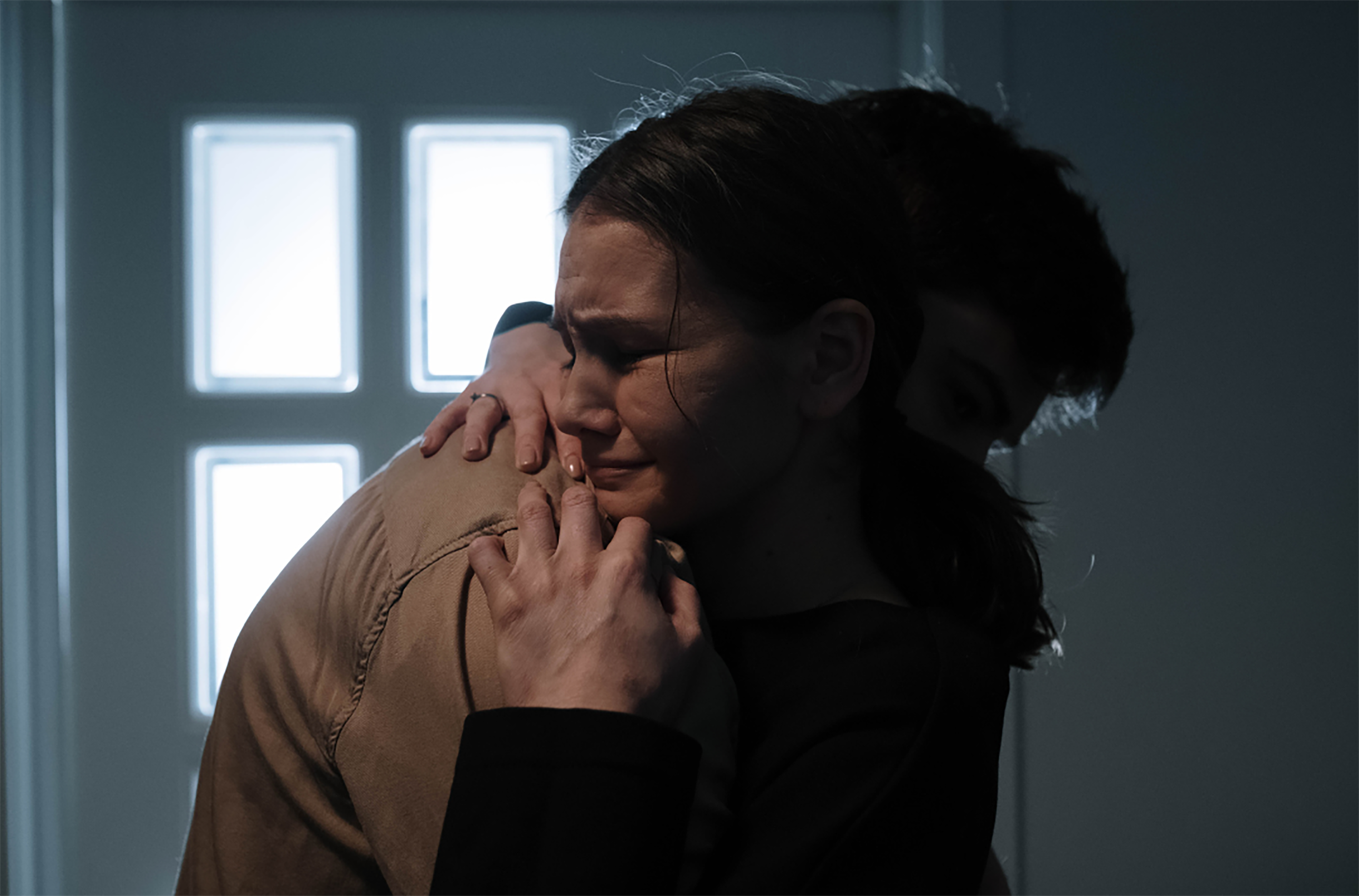
A few days ago, I received tragic news: a very dear friend of mine shared that one of her son’s triplets had died in his sleep.
Since first learning they were having triplets, the parents relished each stage of the pregnancy and celebrated the birth and all the joys – and challenges – of new parenting, times three. There were all the joyful postings on Facebook, all the adorable outfits showing how these babies were Eagles fans. These new parents became a dynamic duo – my friend was so proud of how they tag-teamed in caring for these precious little ones.
And then the unimaginable happened. The shockwaves reverberated around everyone, especially these new parents. It must’ve all seemed like the most horrible nightmare one could experience and one from which they could not awaken. When you are in this kind of shock, you keep wondering if it’s true. And then there’s all the craziness of ambulances and hospitals and having to answer hundreds of questions from strangers, trying to manage care for the other two babies and just navigate all the insanity.
I recently wrote a workshop for LGI (Lakeside Global Institute) on the nature of grief and grieving. I learned a lot as I did my research, and one thing that is essential to appreciate is that so often, people who are trying to be caring say things that are actually hurtful. When grieving people are in deep shock, as any parent who loses a child is, they are vulnerable to what is said to them. To hear things like, “At least you have your other children,” “It must’ve just been his time to go home and be with the Lord,” “You are young. You can still have more babies.”
We can all struggle to find something to say to ease another person’s pain. The problem is that nothing actually eases that pain beyond knowing that there are people around them who love them and will do whatever is needed to help them navigate through the many decisions and all the basic personal care activities, like having food and water, someone to care for the other two children so they could catch a little bit of sleep. I’m guessing they needed the reassurance from professionals that nobody did anything wrong.
For those of us more on the periphery, it is important to avoid trying to say there is some solution to grieving, some way to help them feel better. Sometimes silence and hugs bring some measure of comfort. We need to recognize that we cannot stop the other person’s pain. This is hard when many of us are used to finding ways to fix problems. The loss of the child is not a problem, it is a horrific event that changes the lives of everyone close to that child and to the rest of that child’s family. Their lives will never be the same.
One of the reasons this death is so shocking is because of how few children in this country die. However, it was not always like this. According to an article entitled Child Mortality in the United States 1800-2020, “The child mortality rate in the United States, for children under the age of five, was 462.9 deaths per thousand births in 1800. This means that for every thousand babies born in 1800, over 46 percent did not make it to their fifth birthday.”
Here is a more personal story. According to the website Totally History, Robert Todd Lincoln was the only one of Abraham’s four children to survive into adulthood. William died of typhoid fever in 1862, when he was only eleven years old. Abraham and Mary were devastated by William’s death. Abraham said that William was a good soul, and so God had called him back home. I guess, like many suffering the loss of a child, Lincoln needed some kind of explanation.
Behind the statistics of how many children died is the human suffering of hundreds of thousands of parents. Each went through unspeakable grief.
What can we conclude from all this? This information tells us that many parents throughout history have experienced the tragic pain of losing a child. It means that each of these parents suffered in ways they often could not articulate. It is important for us all to know that sometimes there are no words. We cannot erase another’s pain. We can, however, be there, communicating our love and acceptance of their pain and can share our willingness to hear about their thoughts and feelings as well as our willingness to respect their need not to talk.
Invitation for Reflection
- What, if any, personal experiences have you had involving the death of a child? If so, what in this blog resonated with you? What thoughts, feelings, sensations and/or memories did you experience?
- Why do you think it is so hard for people to interact with families who lost a child?
- What do you think now about how you would interact with family members who have lost a child and why?
- Ultimately, what should the goal be for those of us speaking with parents and other family members after a child has died?
The following is an excellent article from Psychology Today about interacting with somebody after they lost a child. The author offers several specific suggestions you might find helpful.